Fintech APP
Company
Xepelin
Services
Product Design
Website
https://xepelin.com/
Designing the core financial infrastructure for SMEs in LATAM
Xepelin was built to solve a critical challenge for SMEs in Latin America: accessing liquidity and managing financial operations in a simple, transparent, and reliable way. Many businesses struggled with fragmented financial tools, limited visibility over cash flow, and slow, opaque financing processes that made day-to-day decision-making difficult. Existing solutions were complex, disconnected, or designed for large enterprises rather than fast-growing SMEs.
The challenge was to design product experiences that could support high-stakes financial operations at scale, while remaining intuitive for non-financial users. This meant turning the wallet into the core of the platform—where all money flows, repayments, and transactions converge—and building internal reconciliation systems to ensure accuracy, trust, and scalability during a period of rapid growth and increasing transaction volume.
Shaping Xepelin's financial core
The design process focused on strategic prioritization, ensuring that the platform could support high-stakes financial operations while remaining usable for non-financial users. The challenge was to balance short-term delivery with a foundation strong enough to scale during rapid company growth.
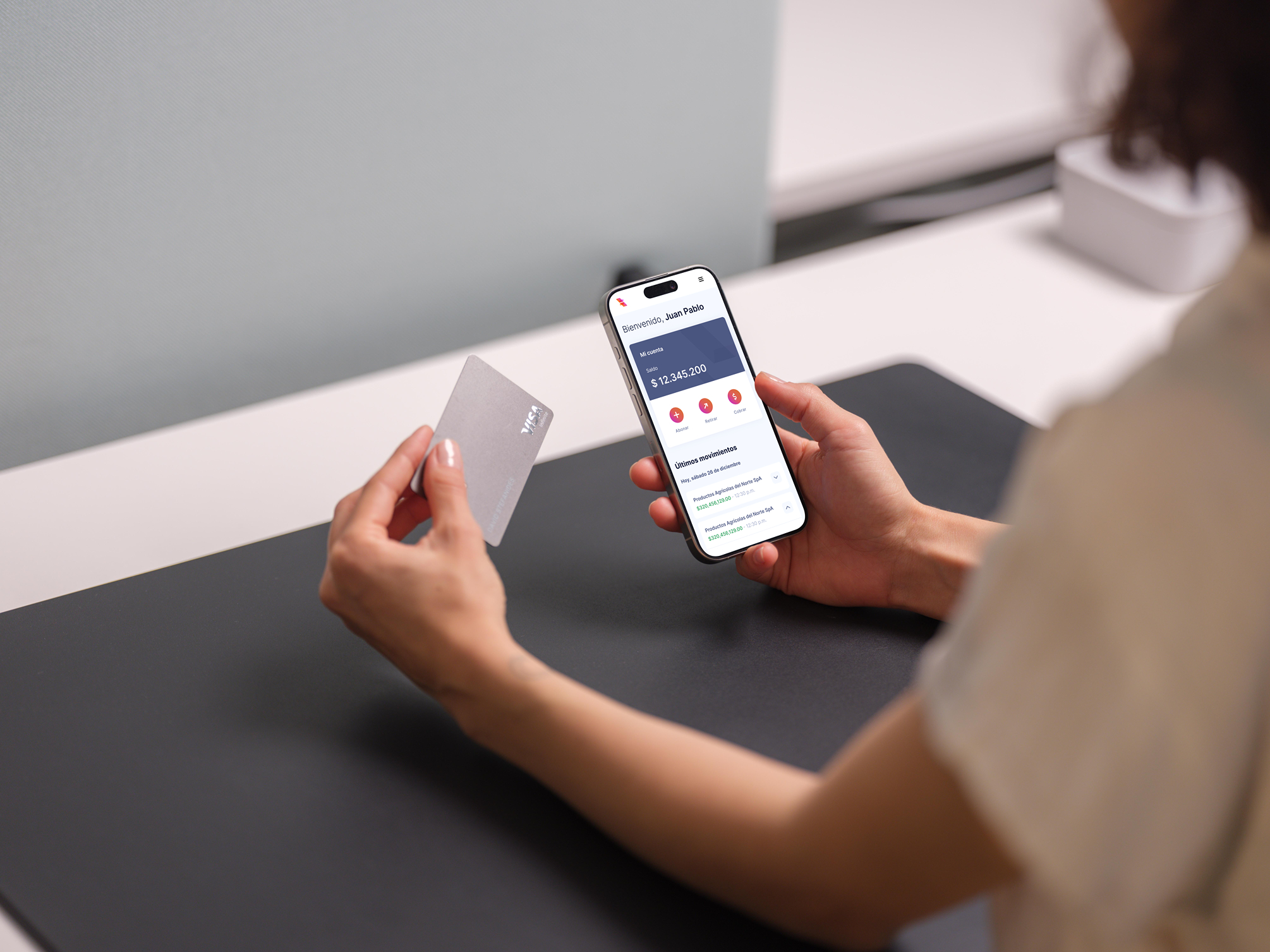
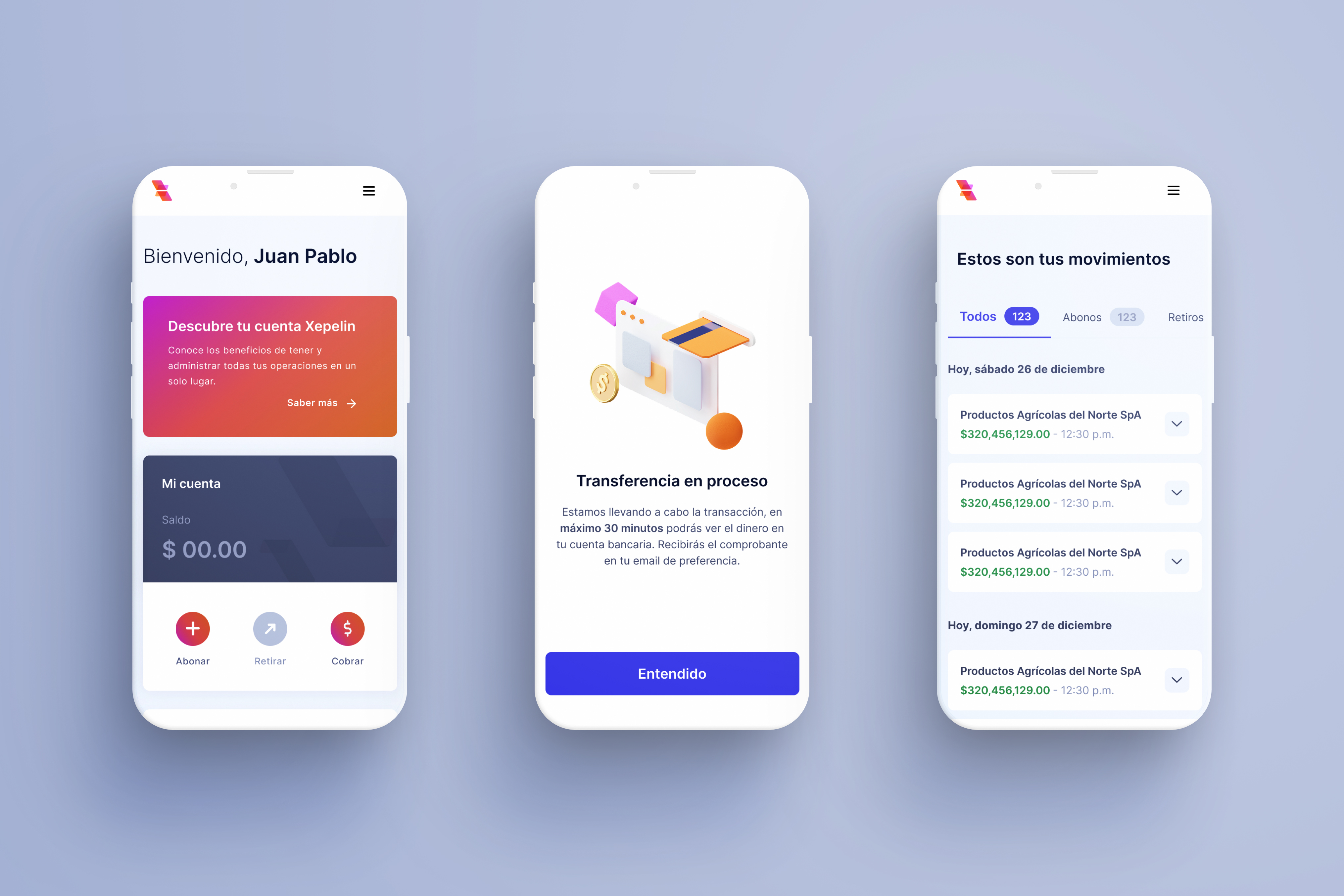
Wallet as the transactional core → Designed as the single source of truth for all money flows, the wallet centralized financing disbursements, repayments, transfers, and operational payments. The priority was clarity and trust, making balances, states, and movements easy to understand at a glance.
Financial reconciliation system → A dedicated experience to track all inflows and outflows, interests, and fees, ensuring that balances matched across systems. The design focused on traceability and error detection, helping both users and internal teams quickly identify inconsistencies.
Fiscal integrations (SAT & SII) → UX considerations for connecting with government tax platforms in Mexico and Chile, allowing users to operate within regulatory frameworks while keeping complexity hidden behind simple, guided flows.
From MVP to scalable financial platform
Beyond the initial MVP, the design work helped prepare Xepelin for exponential growth in users, transactions, and internal complexity. As the platform scaled, the challenge shifted toward maintaining simplicity and reliability while supporting more sophisticated financial operations.
The next stage focused on ensuring that the wallet and reconciliation systems could evolve without breaking user trust—laying the groundwork for future capabilities such as multi-currency operations, deeper automation, and expanded financial tooling, while preserving a clear and predictable user experience.
Bringing stellar
result every client.
Contact Me
.png)


Dani Santacá
Sr. Product Designer
“I help transform ideas into intuitive and efficient digital products, where every detail of the user experience is carefully designed to create impact.”

danielasantacalt@gmail.com